Checking & Changing a Dead Battery
By Levi Quinn
Sometimes there is nothing quite so annoying and depressing as turning the key in your car and having nothing happen. A dead battery can be a big setback because it can occur at any time for any reason. Sometimes it is due to the cold weather and other times the battery has simply reached the end of its lifespan. There are a few ways to check if your battery is completely dead or not. Even if the car won't start, the battery may just be low or affected by outside conditions.
If you find that your car won't start and you believe it may be the battery, you need to find out if there is still any power in it. Try re-charging it first with a battery charger. Hook it up properly and see if this helps to restore any power to the system at all. If nothing happens, the battery may be dead. Extremely cold temperatures can make this tougher. A charger may have to be left on for hours before a difference is obvious.
Double check that your battery terminals are all clean and there is nothing obstructing them. They can become corroded over time and that can lead to battery issues. Be certain that anything you hook to the battery like a charger is put on the right way to avoid giving yourself a shock of any kind.
Try using a volt meter to test the level of voltage that is running through the battery. If it gives you a reading then you know that there is some kind of power running through the car. If it gives you nothing then you know that the battery is dead. If there is no power at all within it you most likely will need a new one.
To take out the battery all you really have to do is detach the cable from the negative battery terminal and then do the same on the other side with the positive battery terminal. There is often a battery clamp as well to hold it in place. Make sure that this is also detached before you try to take the battery out. Be careful when you lift the battery out. Some of them are heavy and you don't want to drop it on any other engine components or on yourself.
Once you get the old battery out you should take a good look at the battery tray. There is a good chance that you will have to give it a quick cleaning before putting a new battery in. Don't skip this step or it will be even worse the next time. Putting the new battery in is the same as taking one out. Put it in the tray properly and reattach the cables. Make sure they are hooked up to the right side of the battery. Always be careful when changing the battery so that you don't get zapped.
Make sure the battery clamp is also reattached. If anything is not tightened or placed right, the car will not start. Changing a battery is fast and easy. Be careful and you will be back on the road in no time.
Enjoy your car travel and find the best deal on the auto insurance coverage you need. Visit us today for money-saving tips, compare auto insurance quotes and helpful car insurance advice at http://www.AutoInsuranceRatesDirect.com
6 Tips For Jump Starting A Car
6 Tips For Jump Starting a Car
By Everette Jamison
When your car's battery dies or loses its ability to crank the engine, you may need someone to give it a jump start. Doing so can provide your battery with the current it needs to turn the engine over and start your car. But, jump starting a car can be dangerous because of the hydrogen gas and acid contained within the battery. If it explodes, it can cause serious injury. Unfortunately, many car owners approach jump starting haphazardly and take it for granted. Below, I'll give you 6 tips and precautions that you should use to protect you and your car.
Tip #1: Line 'Em Up
Align your cars in a way that places each car's battery as close to the other as possible. Then, place both cars in "Park" and turn them off. Also, make sure that the cars are not touching each other. The current can travel through the hull, potentially causing damage and injury.
Tip #2: Know Your Signs
Car batteries have a positive post and a negative post. How those posts are connected to the cables is important. Before connecting anything, familiarize yourself with which post is which.
Tip #3: Know Your Connections
Jumper cables are typically colored red and black. Those colors indicate which cable connects to which post. The red cable will be connected to the positive posts on the dead battery and the charged battery. The black cable will be connected to the negative post on the charged battery. The other end of the black cable will clamp down on the hull of the dead battery's car.
Tip #4: Clear The Cable Path
Do not allow the clamps at the end of the cables to touch each other. Also, make sure that the cables are free of any moving parts. They can easily become caught in the fan, ripping the clamps off the posts.
Tip #5: Good Battery First
Once the cables have been connected to the battery posts, start the engine of the car with the charged battery first. Let the engine idle for a few minutes so its charging system can take some of the load off the battery.
Tip #6: Disconnect, Then Drive
After starting the car with the dead battery, disconnect the jumper cables after the engine turns over. In order for the battery to keep its charge, you'll need to drive it continuously for approximately 30 minutes.
Jump starting a car isn't complicated. You need to memorize which posts are positive and negative, and which cables are connected to which posts. Then, take a few minutes to follow the tips above, ensuring your safety and preventing damage to both vehicles.
When looking for quality used auto parts and affordable used engines consider, http://www.everdrive.com
By Everette Jamison
When your car's battery dies or loses its ability to crank the engine, you may need someone to give it a jump start. Doing so can provide your battery with the current it needs to turn the engine over and start your car. But, jump starting a car can be dangerous because of the hydrogen gas and acid contained within the battery. If it explodes, it can cause serious injury. Unfortunately, many car owners approach jump starting haphazardly and take it for granted. Below, I'll give you 6 tips and precautions that you should use to protect you and your car.
Tip #1: Line 'Em Up
Align your cars in a way that places each car's battery as close to the other as possible. Then, place both cars in "Park" and turn them off. Also, make sure that the cars are not touching each other. The current can travel through the hull, potentially causing damage and injury.
Tip #2: Know Your Signs
Car batteries have a positive post and a negative post. How those posts are connected to the cables is important. Before connecting anything, familiarize yourself with which post is which.
Tip #3: Know Your Connections
Jumper cables are typically colored red and black. Those colors indicate which cable connects to which post. The red cable will be connected to the positive posts on the dead battery and the charged battery. The black cable will be connected to the negative post on the charged battery. The other end of the black cable will clamp down on the hull of the dead battery's car.
Tip #4: Clear The Cable Path
Do not allow the clamps at the end of the cables to touch each other. Also, make sure that the cables are free of any moving parts. They can easily become caught in the fan, ripping the clamps off the posts.
Tip #5: Good Battery First
Once the cables have been connected to the battery posts, start the engine of the car with the charged battery first. Let the engine idle for a few minutes so its charging system can take some of the load off the battery.
Tip #6: Disconnect, Then Drive
After starting the car with the dead battery, disconnect the jumper cables after the engine turns over. In order for the battery to keep its charge, you'll need to drive it continuously for approximately 30 minutes.
Jump starting a car isn't complicated. You need to memorize which posts are positive and negative, and which cables are connected to which posts. Then, take a few minutes to follow the tips above, ensuring your safety and preventing damage to both vehicles.
When looking for quality used auto parts and affordable used engines consider, http://www.everdrive.com

Windshield Repair - What Are The Benefits?
Windshield Repair - What Are the Benefits?
By Samantha Mccartney
Even though we all try our best to avoid it, it somehow seems to happen more than we would like. Somehow finding ourselves driving down the highway behind a semi truck or dump truck and no way around it. We realize the bad place we are positioned as we hear the little rocks hitting our car and windshield, and then we begin making a plan to move. However sometimes those little rocks can do a lot of damage before we can move, leaving our windshields cracked or chipped. Now what do you do?
Well, your choices are to replace the whole windshield, repair the crack or chip, or do nothing.
Replacing your whole windshield is an option. However it will likely cost you quite a bit of money. Unless you have tons of extra money lying around this would not be a solution for you. Even if you do there are other things to consider. Replacing the entire windshield will take more time as well. So unless you really have to replace the whole windshield you should try to get it repaired.
The best option is to get your windshield repaired. This is a process that involves technology and skill to fill a damaged area on the windshield with a special transparent resin. It is advised that you find a qualified professional to handle your windshield repairs. This process usually only takes about 30 minutes to have done, which is great for the world filled with busy schedules. Also with the process the strength of your windshield is fully restored and it is about impossible to know that any work has even been done on the windshield. In most cases your insurance will help with the payment since it is saving them money from having to replace your whole windshield. Another added benefit of repairing your windshield is that it is keeping a large amount of glass out of our landfills. Bet you didn't know that 10% of our landfills is made up of glass! Windshields are not usually recycled due to laminate on them. As you can see there are many benefits personally and globally to getting your windshield repaired instead of replaced. One thing to remember is that your windshield should be repaired as quickly as possible for optimum results.
Doing nothing is not a good choice at all. It is unsafe to drive with your windshield in that condition. It can be deadly if it bursts on its own or if you are sadly involved in a car accident. Also waiting too long to repair it could result in more costs and frustrations for you. This is because the longer you wait to repair a crack or chip, the longer that chip or crack has time to accumulate debris in it. This makes it harder and sometimes impossible to repair.
So, don't wait if you windshield is in need of repair. Take it to a trustworthy shop that can repair your crack or chip quickly and safely! It will save you time and money, two very valuable things!
Don't waste any time with your windshield repairs
By Samantha Mccartney
Even though we all try our best to avoid it, it somehow seems to happen more than we would like. Somehow finding ourselves driving down the highway behind a semi truck or dump truck and no way around it. We realize the bad place we are positioned as we hear the little rocks hitting our car and windshield, and then we begin making a plan to move. However sometimes those little rocks can do a lot of damage before we can move, leaving our windshields cracked or chipped. Now what do you do?
Well, your choices are to replace the whole windshield, repair the crack or chip, or do nothing.
Replacing your whole windshield is an option. However it will likely cost you quite a bit of money. Unless you have tons of extra money lying around this would not be a solution for you. Even if you do there are other things to consider. Replacing the entire windshield will take more time as well. So unless you really have to replace the whole windshield you should try to get it repaired.
The best option is to get your windshield repaired. This is a process that involves technology and skill to fill a damaged area on the windshield with a special transparent resin. It is advised that you find a qualified professional to handle your windshield repairs. This process usually only takes about 30 minutes to have done, which is great for the world filled with busy schedules. Also with the process the strength of your windshield is fully restored and it is about impossible to know that any work has even been done on the windshield. In most cases your insurance will help with the payment since it is saving them money from having to replace your whole windshield. Another added benefit of repairing your windshield is that it is keeping a large amount of glass out of our landfills. Bet you didn't know that 10% of our landfills is made up of glass! Windshields are not usually recycled due to laminate on them. As you can see there are many benefits personally and globally to getting your windshield repaired instead of replaced. One thing to remember is that your windshield should be repaired as quickly as possible for optimum results.
Doing nothing is not a good choice at all. It is unsafe to drive with your windshield in that condition. It can be deadly if it bursts on its own or if you are sadly involved in a car accident. Also waiting too long to repair it could result in more costs and frustrations for you. This is because the longer you wait to repair a crack or chip, the longer that chip or crack has time to accumulate debris in it. This makes it harder and sometimes impossible to repair.
So, don't wait if you windshield is in need of repair. Take it to a trustworthy shop that can repair your crack or chip quickly and safely! It will save you time and money, two very valuable things!
Don't waste any time with your windshield repairs
Top Tips On How To Get The Best Shine From Your Car
Top Tips On How To Get The Best Shine From Your Car
By David Maillie
We all love that brilliant shine of a new car in the dealer’s showroom or at an auto show. There are hundreds of car care products and treatments available. The question is what works best and how do you do it?
First, you must properly clean and wash your car. Polishing and waxing a unclean car is sure to leave hairline scratches from dirt and debris on the car. Proper car washing and cleaning should be a main staple of any car care regimen or treatment. It is a proven fact that cars that receive routine car washes will last longer (as evidenced in a recent Popular Mechanics magazine). To properly wash your car, first rinse it off. Get the whole car wet and try to spray off any loose dirt and debris. Then use specific car wash soap (regular household items and chemicals are usually too harsh and can strip the wax or sealant right off) and a soft sponge or towel. Wash one panel or area at a time and rinse when done so the suds and soap won’t dry on the paint. When done dry off the car with clean terry towels or microfiber towels (a chamois works great also).
Next, examine your car. Look at the bumpers, behind the tires, the roof, etc… Are there any contaminants like bug splatter, bird droppings, tree sap, etc… that are still there after washing? You can try and rewash these areas with a little more pressure to try and loosen them up. If they still don’t come off, you will need a contaminant remover. This is a spray and each has their own unique formula and set of directions. Some are similar to foaming glass cleaners and others are a thick emulsion that will sit right on the problem area and not drip off. These contaminant sprays will remove most stuck on road debris and there are formulas specifically for road tar and tree sap as they can be more difficult. Follow the directions and then rinse and dry.
To smooth out any imperfections in the paint we recommend a cleaner wax. According to a study by Consumer Reports of every wax currently produced it was found that Turtle Wax was the best for value, durability and shine. So, there is no need to waste your money on expensive treatments that will not deliver a finish as well as a $2 bottle of Turtle Wax. Apply the cleaner wax in small circular motions and do one panel at a time, same as you did with car washing. Let the cleaner wax dry to a white haze and then buff with a clean terry cloth. Repeat as necessary.
Next, what we recommend is that you use a polymer car polish (again, there is no need for expensive treatments – you are just wasting your money). A good polymer car polish can be obtained at Walmart for between $2 and $5. They always come as a liquid and are very easy to apply and really do last longer than any car wax (up to 1 year and 50 car washes as some labels state). Apply to the whole car and buff dry. Apply 2-3 coats for maximum protection.
After the car polish we recommend a high class carnauba wax (again there is no need for expensive treatments). Turtle wax platinum car wax is around $5-$7 and so are some Meguiars and Mothers top waxes. This will give you a better than new deep and wet looking shine. Apply 2 coats in similar fashion to the cleaner wax. Wait until you see the resultant shine from wax on top of polish. It is unbelievable and gives your car the best shine possible and also the maximum protection available. This is how they get that extra deep shine on cars at the auto shows – it works and you will be amazed.
David Maillie specializes in automotive safety products, tips and information. He holds numerous patents and awards for his patented headlight cleaner and restorer. For more information, tips, and money saving products for your auto please visit http://www.mdwholesale.com
Article Source: http://EzineArticles.com/?expert=David_Maillie
http://EzineArticles.com/?Top-Tips-On-How-To-Get-The-Best-Shine-From-Your-Car&id=243332
By David Maillie
We all love that brilliant shine of a new car in the dealer’s showroom or at an auto show. There are hundreds of car care products and treatments available. The question is what works best and how do you do it?
First, you must properly clean and wash your car. Polishing and waxing a unclean car is sure to leave hairline scratches from dirt and debris on the car. Proper car washing and cleaning should be a main staple of any car care regimen or treatment. It is a proven fact that cars that receive routine car washes will last longer (as evidenced in a recent Popular Mechanics magazine). To properly wash your car, first rinse it off. Get the whole car wet and try to spray off any loose dirt and debris. Then use specific car wash soap (regular household items and chemicals are usually too harsh and can strip the wax or sealant right off) and a soft sponge or towel. Wash one panel or area at a time and rinse when done so the suds and soap won’t dry on the paint. When done dry off the car with clean terry towels or microfiber towels (a chamois works great also).
Next, examine your car. Look at the bumpers, behind the tires, the roof, etc… Are there any contaminants like bug splatter, bird droppings, tree sap, etc… that are still there after washing? You can try and rewash these areas with a little more pressure to try and loosen them up. If they still don’t come off, you will need a contaminant remover. This is a spray and each has their own unique formula and set of directions. Some are similar to foaming glass cleaners and others are a thick emulsion that will sit right on the problem area and not drip off. These contaminant sprays will remove most stuck on road debris and there are formulas specifically for road tar and tree sap as they can be more difficult. Follow the directions and then rinse and dry.
To smooth out any imperfections in the paint we recommend a cleaner wax. According to a study by Consumer Reports of every wax currently produced it was found that Turtle Wax was the best for value, durability and shine. So, there is no need to waste your money on expensive treatments that will not deliver a finish as well as a $2 bottle of Turtle Wax. Apply the cleaner wax in small circular motions and do one panel at a time, same as you did with car washing. Let the cleaner wax dry to a white haze and then buff with a clean terry cloth. Repeat as necessary.
Next, what we recommend is that you use a polymer car polish (again, there is no need for expensive treatments – you are just wasting your money). A good polymer car polish can be obtained at Walmart for between $2 and $5. They always come as a liquid and are very easy to apply and really do last longer than any car wax (up to 1 year and 50 car washes as some labels state). Apply to the whole car and buff dry. Apply 2-3 coats for maximum protection.
After the car polish we recommend a high class carnauba wax (again there is no need for expensive treatments). Turtle wax platinum car wax is around $5-$7 and so are some Meguiars and Mothers top waxes. This will give you a better than new deep and wet looking shine. Apply 2 coats in similar fashion to the cleaner wax. Wait until you see the resultant shine from wax on top of polish. It is unbelievable and gives your car the best shine possible and also the maximum protection available. This is how they get that extra deep shine on cars at the auto shows – it works and you will be amazed.
David Maillie specializes in automotive safety products, tips and information. He holds numerous patents and awards for his patented headlight cleaner and restorer. For more information, tips, and money saving products for your auto please visit http://www.mdwholesale.com
Article Source: http://EzineArticles.com/?expert=David_Maillie
http://EzineArticles.com/?Top-Tips-On-How-To-Get-The-Best-Shine-From-Your-Car&id=243332
GM Oil Life System Monitor; Lowering Cost Of Ownership
One of the largest expenses over the life of an auto is oil changes. When you figure $15-$25 every 3000 miles, it really adds up, but is essential to the longevity of a car.
GM has a unique intelligent system called an Oil Life System Monitor. Each GM vehicle has a computer that calculates the revolution of the engine and can even tell what type of driving you do. If you do all highway driving or in town driving. The benefit to the customer is Reduced Cost of Ownership, Reduced National Consumption of Oil, and full usage of your oil.
This Oil Life Monitor for GM cars, trucks, and SUV's will tell you when to change your oil. It may be at 5000 miles and may be at 9000 miles. You can read more about this system in your GM owners manual, but my car can usually go 6000-7000 miles before it comes on. If you have a Drivers Information Center in your vehicle to check tire pressure, and different settings, you will notice an oil life percentage. If it is at 70%, it means there is 70% of your oil life remaining.
Now, consider half the oil changes of the competition. It may not sound like much, but do the math. In every 100000 miles you will change the oil 33.3 times if you change every 3000 miles. Multiply this # by an average of a $22 oil change and it comes up to $734. Cut this in half and you get $367. That is just for oil changes and only figuring it will get 2 times more mileage. You also have long life spark plugs and coolant. GM is thinking of the customer more than ever trying to regain market share.
Remember, the GM Oil Life System does not check oil levels, just when the oil starts to break down and needs changed. You still have to check levels.
There is a simplified GM maintenance schedule. This is performed when your change oil light comes on.
Maintenance 1:
-change oil and filter
-reset oil life system
-inspect engine air cleaner filter-change as needed
-rotate tires and check inflation pressures and wear
-inspect brake system
-check engine coolant and washer fluid
-any other needed services
Maintenance2:
All services from maintenance 1 plus:
-inspect suspension and steering components
-inspect cooling system
-inspect wiper blades
-inspect restraint components
-lubricate body components
-inspect throttle system
You can alternate in between maintenance 1 and maintenance 2 each time the light comes on. Tires should be rotated every 5000 to 8000 miles.
GM has a unique intelligent system called an Oil Life System Monitor. Each GM vehicle has a computer that calculates the revolution of the engine and can even tell what type of driving you do. If you do all highway driving or in town driving. The benefit to the customer is Reduced Cost of Ownership, Reduced National Consumption of Oil, and full usage of your oil.
This Oil Life Monitor for GM cars, trucks, and SUV's will tell you when to change your oil. It may be at 5000 miles and may be at 9000 miles. You can read more about this system in your GM owners manual, but my car can usually go 6000-7000 miles before it comes on. If you have a Drivers Information Center in your vehicle to check tire pressure, and different settings, you will notice an oil life percentage. If it is at 70%, it means there is 70% of your oil life remaining.
Now, consider half the oil changes of the competition. It may not sound like much, but do the math. In every 100000 miles you will change the oil 33.3 times if you change every 3000 miles. Multiply this # by an average of a $22 oil change and it comes up to $734. Cut this in half and you get $367. That is just for oil changes and only figuring it will get 2 times more mileage. You also have long life spark plugs and coolant. GM is thinking of the customer more than ever trying to regain market share.
Remember, the GM Oil Life System does not check oil levels, just when the oil starts to break down and needs changed. You still have to check levels.
There is a simplified GM maintenance schedule. This is performed when your change oil light comes on.
Maintenance 1:
-change oil and filter
-reset oil life system
-inspect engine air cleaner filter-change as needed
-rotate tires and check inflation pressures and wear
-inspect brake system
-check engine coolant and washer fluid
-any other needed services
Maintenance2:
All services from maintenance 1 plus:
-inspect suspension and steering components
-inspect cooling system
-inspect wiper blades
-inspect restraint components
-lubricate body components
-inspect throttle system
You can alternate in between maintenance 1 and maintenance 2 each time the light comes on. Tires should be rotated every 5000 to 8000 miles.
Paintless Dent Repair: Myths And Facts About Car Dent Repair And Insurance
Paintless Dent Repair: Myths and Facts About Car Dent Repair and Insurance
By Theodore Olson
The long arm of car repair insurance doesn’t stop at extended warranties or tire road hazard insurance. Marketing gurus have found all sorts of knick knacks to insure. Among the top are ding and dent protection plans. Ding and dent insurance is growing steadily, and addresses those unsightly shopping cart and parking lot dings.
Dings and dents are fairly synonymous terms, although a ding is smaller than a dent. You’ll notice a dent. You’ll need to squint, or catch the vehicle in the right angle or sunlight to see a ding. Some dings are smaller than eraser heads.
Like extended warranties or tire insurance, dent and ding protection plans promise to pay for damages in part or in full for a specific period of time. These plans are primarily sold by new car dealerships and cost a few hundred dollars.
Ding and Dent Repair: Paintless Dent Repair
Ding and dent repair is called PDR, short for Paintless Dent Repair. There are many companies that perform this service: Ding Doctor, Ding King, No Dents, Dent Wizard…the list goes on. Some are better then others, although ultimately it’s up to the skill of the PDR technician. Prices are similar.
How is it done?
Most PDR techniques are non-intrusive. The PDR technicians use specially designed tools and gadgets to slip behind the damaged panels and manipulate and massage the damaged metal back to its original form.
Does it work?
Actually, it’s incredible! It works so well that in the majority of cases the dings and dents are completely removed. They’re invisible, gone, can’t-believe-your-eyes fixed.
I saw a soccer-ball-sized dent removed from the rear fender of a $120,000 car. The dent also had a large crease, which makes repairs even harder. After thirty minutes there was no visible detection that a dent was ever there. The repair cost the client $400. Traditional body shop estimates were hovering at $2700.
PDR positives
PDR negatives
Do you need PDR insurance?
NO!
Should you get your dings fixed using PDR techniques?
Hell, yes!
Let me explain…
Insuring against dings and dents does not make economic sense. Ding repairs average around $50 per ding. Some dings cost $99 to $149 to repair. Two to four dings can run $100 to $450, depending on the size of the dent. Insurance at this level is just not necessary. Moreover, it’s a gamble you will lose.
To benefit from a $300, two-year plan, your vehicle would need to sustain multiple “PDR repairable” dings or dents. Despite your coverage, you may not even notice the dings, making a claim impossible. Also, despite the amazing PDR techniques, they can’t fix everything, especially the chips and scratches that so frequently accompany a ding—should dings even occur.
Yes, get your dings fixed with PDR (if they’re bothering you), but don’t buy an insurance plan.
Protection plan economics 101
An article by Terence O’Hara in the Washington Post is a wonderful piece on the insanity of protection plans, and is applicable here. He writes:
The decision to buy an extended warranty…defies the recommendations of economists, consumer advocates and product quality experts, who all warn that the plans rarely benefit consumers and are nearly always a waste of money.
'[Extended warranties and protection plans] make no rational sense,’ Harvard economist David Cutler said. ‘The implied probability [of an issue] has to be substantially greater than the risk that you can’t afford to fix it or replace it. If you’re buying a $400 item, for the overwhelming number of consumers that level of spending is not a risk you need to insure under any circumstances.’
…extended warranties play upon a basic human trait to avoid loss, even if it means sacrificing a possible future gain. In this case, the gain is all the other things of value that a consumer could buy with the money that was spent on a warranty
Fix your dings
Fix your dings and dents (if you want) as they come—maybe every spring. Fixing dings keeps your car looking pristine, and increases its value. But don’t bother with a protection plan. Save your money.
Hold off on that paint job
Quality paintless dent repair is often a great substitute for those considering full paint jobs. Whenever possible, it's best to keep the original paint. Good PDR combined with a professional detail can restore vehicles to show room condition for less than $500.
Go with the best
Since 1983 Dent Wizard has been pioneering PDR technology. Their PDR technicians undergo extensive and ongoing training. The rates are reasonable and the quality is excellent. Always request a master PDR technician, as there are various levels of abilities.
Check with local dealers
Dealerships in your area may offer Dent Wizard. Your vehicle does not have to be of the same make as the dealership. In other words, you can bring your Chevy to a Ford dealer for PDR work.
Myths
Do it yourself paintless dent repair is easy.
No it ‘s not. It requires training, skill, and experience. There are many who practice PDR techniques who crack or flake the paint, or who create ripples in the metal.
The PDR products sold on TV do the same thing.
No! Not even close. There's no good substitute for the art of PDR.
Scratch and dent repair are the same thing.
No. A ding is a small dent, which can often be repaired via paintless dent repair procedures. A scratch is an actual break in the surface of the clear coat or paint, requiring traditional body shop techniques, or touch up paint.
It’s easy to learn how to repair dents on cars.
Maybe for some, but it’s a skill that few master. Dent Wizard offers a great training program. The management and staff are top notch.
What’s the best car dent removing protection plan?
Money in your bank account!
Ted holds extensive certifications from Mercedes-Benz, Toyota, GM, and ASE. Over a twenty-year period in the automotive service industry, he has served as a technician, shop foreman, shop manager, shop owner, service advisor, service manager, and service industry consultant. He is the author of eight books and numerous articles on the automotive service industry.
Other Works by Ted Olson Include:
Article Source: http://EzineArticles.com/?expert=Theodore_Olson
http://EzineArticles.com/?Paintless-Dent-Repair:-Myths-and-Facts-About-Car-Dent-Repair-and-Insurance&id=331896
By Theodore Olson
The long arm of car repair insurance doesn’t stop at extended warranties or tire road hazard insurance. Marketing gurus have found all sorts of knick knacks to insure. Among the top are ding and dent protection plans. Ding and dent insurance is growing steadily, and addresses those unsightly shopping cart and parking lot dings.
Dings and dents are fairly synonymous terms, although a ding is smaller than a dent. You’ll notice a dent. You’ll need to squint, or catch the vehicle in the right angle or sunlight to see a ding. Some dings are smaller than eraser heads.
Like extended warranties or tire insurance, dent and ding protection plans promise to pay for damages in part or in full for a specific period of time. These plans are primarily sold by new car dealerships and cost a few hundred dollars.
Ding and Dent Repair: Paintless Dent Repair
Ding and dent repair is called PDR, short for Paintless Dent Repair. There are many companies that perform this service: Ding Doctor, Ding King, No Dents, Dent Wizard…the list goes on. Some are better then others, although ultimately it’s up to the skill of the PDR technician. Prices are similar.
How is it done?
Most PDR techniques are non-intrusive. The PDR technicians use specially designed tools and gadgets to slip behind the damaged panels and manipulate and massage the damaged metal back to its original form.
Does it work?
Actually, it’s incredible! It works so well that in the majority of cases the dings and dents are completely removed. They’re invisible, gone, can’t-believe-your-eyes fixed.
I saw a soccer-ball-sized dent removed from the rear fender of a $120,000 car. The dent also had a large crease, which makes repairs even harder. After thirty minutes there was no visible detection that a dent was ever there. The repair cost the client $400. Traditional body shop estimates were hovering at $2700.
PDR positives
- Very low cost compared to traditional body shops
- Same day repairs—even while-you-wait service
- No paint work, sanding, or traditional bodywork required
- Original paint remains—helps retain vehicles looks and value
- Body panels remain intact—maintaining structural integrity
PDR negatives
- PDR does not address scratches or paint chips that are often associated with dings (Many PDR companies will address chips and scratches, but it’s not PDR technology)
- Many areas of body panels are not accessible, so PDR is not an option
- Plastic bumpers or any plastic components can’t be fixed with PDR techniques. Since the bumper is the most common area to get damaged, this is a significant downside of PDR technology.
- Some damage can occur to door panels, paint, interiors, window glass and hardware, although damage of any kind is rare.
Do you need PDR insurance?
NO!
Should you get your dings fixed using PDR techniques?
Hell, yes!
Let me explain…
Insuring against dings and dents does not make economic sense. Ding repairs average around $50 per ding. Some dings cost $99 to $149 to repair. Two to four dings can run $100 to $450, depending on the size of the dent. Insurance at this level is just not necessary. Moreover, it’s a gamble you will lose.
To benefit from a $300, two-year plan, your vehicle would need to sustain multiple “PDR repairable” dings or dents. Despite your coverage, you may not even notice the dings, making a claim impossible. Also, despite the amazing PDR techniques, they can’t fix everything, especially the chips and scratches that so frequently accompany a ding—should dings even occur.
Yes, get your dings fixed with PDR (if they’re bothering you), but don’t buy an insurance plan.
Protection plan economics 101
An article by Terence O’Hara in the Washington Post is a wonderful piece on the insanity of protection plans, and is applicable here. He writes:
The decision to buy an extended warranty…defies the recommendations of economists, consumer advocates and product quality experts, who all warn that the plans rarely benefit consumers and are nearly always a waste of money.
'[Extended warranties and protection plans] make no rational sense,’ Harvard economist David Cutler said. ‘The implied probability [of an issue] has to be substantially greater than the risk that you can’t afford to fix it or replace it. If you’re buying a $400 item, for the overwhelming number of consumers that level of spending is not a risk you need to insure under any circumstances.’
…extended warranties play upon a basic human trait to avoid loss, even if it means sacrificing a possible future gain. In this case, the gain is all the other things of value that a consumer could buy with the money that was spent on a warranty
Fix your dings
Fix your dings and dents (if you want) as they come—maybe every spring. Fixing dings keeps your car looking pristine, and increases its value. But don’t bother with a protection plan. Save your money.
Hold off on that paint job
Quality paintless dent repair is often a great substitute for those considering full paint jobs. Whenever possible, it's best to keep the original paint. Good PDR combined with a professional detail can restore vehicles to show room condition for less than $500.
Go with the best
Since 1983 Dent Wizard has been pioneering PDR technology. Their PDR technicians undergo extensive and ongoing training. The rates are reasonable and the quality is excellent. Always request a master PDR technician, as there are various levels of abilities.
Check with local dealers
Dealerships in your area may offer Dent Wizard. Your vehicle does not have to be of the same make as the dealership. In other words, you can bring your Chevy to a Ford dealer for PDR work.
Myths
Do it yourself paintless dent repair is easy.
No it ‘s not. It requires training, skill, and experience. There are many who practice PDR techniques who crack or flake the paint, or who create ripples in the metal.
The PDR products sold on TV do the same thing.
No! Not even close. There's no good substitute for the art of PDR.
Scratch and dent repair are the same thing.
No. A ding is a small dent, which can often be repaired via paintless dent repair procedures. A scratch is an actual break in the surface of the clear coat or paint, requiring traditional body shop techniques, or touch up paint.
It’s easy to learn how to repair dents on cars.
Maybe for some, but it’s a skill that few master. Dent Wizard offers a great training program. The management and staff are top notch.
What’s the best car dent removing protection plan?
Money in your bank account!
Ted holds extensive certifications from Mercedes-Benz, Toyota, GM, and ASE. Over a twenty-year period in the automotive service industry, he has served as a technician, shop foreman, shop manager, shop owner, service advisor, service manager, and service industry consultant. He is the author of eight books and numerous articles on the automotive service industry.
Other Works by Ted Olson Include:
- ARREST the Automotive Service Industry!
- Maintenance Myths: A Step-by-Step Guide to STOP Getting Ripped Off!
- Auto Repair: The Shocking Truth About Who's Ripping You Off and Why!
- Automotive Service Pricing Strategies—a fair pricing guide for service centers
- Being the Best—a comprehensive customer service handbook for service advisors
- Service Center Personnel—an auto repair informational for general service staff
- Service Mission Statement—a philosophical proposal to improve customer service
Article Source: http://EzineArticles.com/?expert=Theodore_Olson
http://EzineArticles.com/?Paintless-Dent-Repair:-Myths-and-Facts-About-Car-Dent-Repair-and-Insurance&id=331896
Save Money On Car Repairs
One of the most costly things about repairing a car is finding the problem. Most cars have a computer that will set a code and activate a Check Engine light to let you know there is a problem. When you take your car to a mechanic to get the problem diagnosed, an $80 diagnostic fee is pretty common. If there were no charge for diagnostics, most would find the problem and take it to a shadetree mechanic to get it fixed. But, try this handy device that Reads and erases DTCs and turns off check engine light. Enables you to quickly and easily link to your vehicle and diagnose the problem. Compact tool fits in the palm of your hand. It is updateable, accommodating future vehicles. This would be a great gift for anyone and pays for itself with the first use. Reader includes a one-year limited warranty.
RELATED ARTICLES:
Extended Auto Warranty
RELATED ARTICLES:
Extended Auto Warranty
Find The Free Auto Repair Manual You Need Online
Find the Free Auto Repair Manual You Need Online
By Terje Ellingsen
You can easily get a free auto repair manual for whichever repair need you might have. You need an internet access and have to follow a certain procedure searching for auto repair manuals, but when you have done this procedure a few times it will be very easy to find the right instructions for do it yourself auto repair and it wont cost you a dime.
There are four types of automotive description documents that you will need to choose from when you want to do a repair
General manuals
Diagnosis descriptions
Repair manuals
Maintenance manuals
General Manuals
In addition to some general manuals, most of these are related to the make. Here you can get step by step guidance on how to repair most of the makes in the vehicle market. Lets say you have a Honda Acura 2002 model and you want to find a manual for that make and model. What you do is perform the following search in a search engine:
Diagnosis descriptions
Automotive diagnosis manuals can also be sub divided by make and model. But it can also be divided by the area of the vehicle that is affected, for example engine intake problems, brake problems, cooling problems, exhaust problems, start or stall problems, transmission problems etc. Let's say you have a start problem. Your search would be
You have probably more than one time heard some annoying noise from somewhere in your vehicle, without finding the source of it. This is one of the most kinky situations to run into because you dont know if it is a serious signal or just a small thing. Some websites gives you the opportunity to diagnose vehicle problems by the noise, sound and vibrating signals and that is great. The sooner you find it the sooner you can fix it and then you can relax. When you search, you can describe the sound, for example
Repair Manuals
In addition to regular manuals you can also get very instructive and detailed descriptions in other internet document or websites like articles, etc. The natural way to sub divide such repairs before searching, is by the area of the vehicle that is going to be repaired, for instance body repair, exhaust repair, suspension fix, interior repair and even general car repair.
You do the search the same way as above; car repair manual (or description) + the area of repair and go through the list of resources you get.
Maintenance manuals
Though vehicle maintenance is closely related to your vehicle make and model, there are some maintenance issues that are pretty much common whether you have a Cadillac, VW or a Mercedes, for example changing oil, changing air filters, engine wash, fluid maintenance, tier maintenance etc. You can get access to maintenance descriptions by searching for the kind of maintenance plus
I think youll be amazed of the amount of automotive repair free stuff online.
Terje Brooks Ellingsen
is a writer and internet publisher. He runs the website cheap-used-cars.w-eland.com. Terje gives advice and helps people with automotive issues like auto repair and online car auctions.
Article Source: http://EzineArticles.com/?expert=Terje_Ellingsen
By Terje Ellingsen
You can easily get a free auto repair manual for whichever repair need you might have. You need an internet access and have to follow a certain procedure searching for auto repair manuals, but when you have done this procedure a few times it will be very easy to find the right instructions for do it yourself auto repair and it wont cost you a dime.
There are four types of automotive description documents that you will need to choose from when you want to do a repair
General manuals
Diagnosis descriptions
Repair manuals
Maintenance manuals
General Manuals
In addition to some general manuals, most of these are related to the make. Here you can get step by step guidance on how to repair most of the makes in the vehicle market. Lets say you have a Honda Acura 2002 model and you want to find a manual for that make and model. What you do is perform the following search in a search engine:
free car manuals+Honda Acura+2002. Then you will have a long list of sites that provide you with all kinds of descriptions for your Honda Acure 2002 model, and you can choose what you want.
Diagnosis descriptions
Automotive diagnosis manuals can also be sub divided by make and model. But it can also be divided by the area of the vehicle that is affected, for example engine intake problems, brake problems, cooling problems, exhaust problems, start or stall problems, transmission problems etc. Let's say you have a start problem. Your search would be
car diagnosis manual+ start problem, then you should get more than enough repair information to choose from. You can even get diagnostic trees where all options are covered for nothing.
You have probably more than one time heard some annoying noise from somewhere in your vehicle, without finding the source of it. This is one of the most kinky situations to run into because you dont know if it is a serious signal or just a small thing. Some websites gives you the opportunity to diagnose vehicle problems by the noise, sound and vibrating signals and that is great. The sooner you find it the sooner you can fix it and then you can relax. When you search, you can describe the sound, for example
whine noiseor
shifter knocksor "driveline vibration" plus car diagnosis manual plus eventually the make.
Repair Manuals
In addition to regular manuals you can also get very instructive and detailed descriptions in other internet document or websites like articles, etc. The natural way to sub divide such repairs before searching, is by the area of the vehicle that is going to be repaired, for instance body repair, exhaust repair, suspension fix, interior repair and even general car repair.
You do the search the same way as above; car repair manual (or description) + the area of repair and go through the list of resources you get.
Maintenance manuals
Though vehicle maintenance is closely related to your vehicle make and model, there are some maintenance issues that are pretty much common whether you have a Cadillac, VW or a Mercedes, for example changing oil, changing air filters, engine wash, fluid maintenance, tier maintenance etc. You can get access to maintenance descriptions by searching for the kind of maintenance plus
car maintenance manual (or description)plus eventually your make and model.
I think youll be amazed of the amount of automotive repair free stuff online.
Terje Brooks Ellingsen
is a writer and internet publisher. He runs the website cheap-used-cars.w-eland.com. Terje gives advice and helps people with automotive issues like auto repair and online car auctions.
Article Source: http://EzineArticles.com/?expert=Terje_Ellingsen
Why Your Oil Change Is Never, Just An Oil Change
Car Repair Prices: Why Your Oil Change is Never Just an Oil Change
By Theodore Olson
For a repair shop, there is little profit in the $29.95 oil change. By the time a shop pays its technician, pays for the oil, the filter, and the hazardous waste disposal fees, theres no money left. This low profit margin is worsened by the extremely competitive Quick Lube business, which forces local repair shops to refrain from raising prices, despite rising costs.
This all begs the question: If oil change specials, which range from $15.95 to $29.95, clearly produce very low profits, then why do so many service facilities advertise oil change specials?
The answer is actually very simple: It gets you in the door. Service centers know that once they have your vehicle, they can sell you additional work.
Suggesting additional work is called upselling, and its a primary profit tactic of every service facility. Heres a typical example. You drop your vehicle off for, just an oil change. Upon completion your service representative smiles and proudly states, We noticed that your air filter was dirty; so we popped in a new one. You may think, great, what wonderful service!
What really occurred is that you were casually upsold an air filter. It probably wasnt needed; it
certainly wasnt replaced according to any factory recommendation, and you were definitely overcharged for what was most likely a poorly-fitting, aftermarket, inferior air filter.
Heres a real-life example that occurred recently. This particular vehicle had 54,000 miles on it, and was dropped off at a local shop for, just an oil change. Upon paying the bill, the customer was handed an estimate for $199 to replace his air filter and top radiator hose. Shocked at the price, he called me.
After review, I found that the air filter suggestion was premature. It didnt need replacement until the manufacturers recommended 60,000 mile service interval. The top hose was also premature. In fact, it did not need replacement at all, despite a very minor problem easily addressed during the factory maintenance schedule, at no extra cost.
Check out the aftermarket part prices quoted below (including the unnecessary radiator hose). Compare these to the manufacturers suggested retail price (MSRP) for the factory OEM parts (Original Equipment Manufacturer).
Local Shop Aftermarket Air Filter: $32
Manufacturer OEM Filter, MSRP: $17
Local Shop Aftermarket Top Hose: $36
Manufacturer OEM Top Hose, MSRP: $19
Notice that this local shop was doubling the price of the OEM parts with its inferior aftermarket parts.
Now, lets look at the labor time that was quoted.
Local Shop Labor Time: 2.0 @ $60 per hour = $120
Manufacturer Labor Time: 0.9 @ $60 per hour = $81
Notice that the shop labor time estimate for the repairs was 2 hours. This is more than twice
the manufacturers recommendations (even after calculating manufacturer times against the industry standard multiplier).
Had the local shop abided by the vehicles particular maintenance intervals instead of trying to make a quick buck, it should have recommended a 60,000-mile service at the next visit. This would have better served the client, saved him $199, and maintained the vehicle properly. Instead, they lost a client, forever!
What needs to be made crystal clear is that this type of price-gouging occurs every day in every type of service facility in one form or another across the automotive service industry.
This type of price-gouging is considered normal!
Theodore P. Olson (Ted)
Car Repair Help
Ted holds extensive certifications from Mercedes-Benz, Toyota, General Motors, ASE (Automotive Service Excellence) and more. Over a twenty-year period in the automotive service industry, he has served as a technician, shop foreman, shop manager, shop owner, service advisor, service manager, and service industry consultant.
Other Works by Ted Olson Include:
ARREST the Automotive Service Industry!
Maintenance Myths: A Step-by-Step Guide to STOP Getting Ripped Off!
Auto Repair: The Shocking Truth About Whos Ripping You Off and Why!
Automotive Service Pricing Strategies a fair pricing guide for service centers
Being the Best a comprehensive customer service handbook for service advisors
Service Center Personnel an auto repair informational for general service staff
Service Mission Statement a philosophical proposal to improve customer service
Article Source: http://EzineArticles.com/?expert=Theodore_Olson
By Theodore Olson
For a repair shop, there is little profit in the $29.95 oil change. By the time a shop pays its technician, pays for the oil, the filter, and the hazardous waste disposal fees, theres no money left. This low profit margin is worsened by the extremely competitive Quick Lube business, which forces local repair shops to refrain from raising prices, despite rising costs.
This all begs the question: If oil change specials, which range from $15.95 to $29.95, clearly produce very low profits, then why do so many service facilities advertise oil change specials?
The answer is actually very simple: It gets you in the door. Service centers know that once they have your vehicle, they can sell you additional work.
Suggesting additional work is called upselling, and its a primary profit tactic of every service facility. Heres a typical example. You drop your vehicle off for, just an oil change. Upon completion your service representative smiles and proudly states, We noticed that your air filter was dirty; so we popped in a new one. You may think, great, what wonderful service!
What really occurred is that you were casually upsold an air filter. It probably wasnt needed; it
certainly wasnt replaced according to any factory recommendation, and you were definitely overcharged for what was most likely a poorly-fitting, aftermarket, inferior air filter.
Heres a real-life example that occurred recently. This particular vehicle had 54,000 miles on it, and was dropped off at a local shop for, just an oil change. Upon paying the bill, the customer was handed an estimate for $199 to replace his air filter and top radiator hose. Shocked at the price, he called me.
After review, I found that the air filter suggestion was premature. It didnt need replacement until the manufacturers recommended 60,000 mile service interval. The top hose was also premature. In fact, it did not need replacement at all, despite a very minor problem easily addressed during the factory maintenance schedule, at no extra cost.
Check out the aftermarket part prices quoted below (including the unnecessary radiator hose). Compare these to the manufacturers suggested retail price (MSRP) for the factory OEM parts (Original Equipment Manufacturer).
Local Shop Aftermarket Air Filter: $32
Manufacturer OEM Filter, MSRP: $17
Local Shop Aftermarket Top Hose: $36
Manufacturer OEM Top Hose, MSRP: $19
Notice that this local shop was doubling the price of the OEM parts with its inferior aftermarket parts.
Now, lets look at the labor time that was quoted.
Local Shop Labor Time: 2.0 @ $60 per hour = $120
Manufacturer Labor Time: 0.9 @ $60 per hour = $81
Notice that the shop labor time estimate for the repairs was 2 hours. This is more than twice
the manufacturers recommendations (even after calculating manufacturer times against the industry standard multiplier).
Had the local shop abided by the vehicles particular maintenance intervals instead of trying to make a quick buck, it should have recommended a 60,000-mile service at the next visit. This would have better served the client, saved him $199, and maintained the vehicle properly. Instead, they lost a client, forever!
What needs to be made crystal clear is that this type of price-gouging occurs every day in every type of service facility in one form or another across the automotive service industry.
This type of price-gouging is considered normal!
Theodore P. Olson (Ted)
Car Repair Help
Ted holds extensive certifications from Mercedes-Benz, Toyota, General Motors, ASE (Automotive Service Excellence) and more. Over a twenty-year period in the automotive service industry, he has served as a technician, shop foreman, shop manager, shop owner, service advisor, service manager, and service industry consultant.
Other Works by Ted Olson Include:
ARREST the Automotive Service Industry!
Maintenance Myths: A Step-by-Step Guide to STOP Getting Ripped Off!
Auto Repair: The Shocking Truth About Whos Ripping You Off and Why!
Automotive Service Pricing Strategies a fair pricing guide for service centers
Being the Best a comprehensive customer service handbook for service advisors
Service Center Personnel an auto repair informational for general service staff
Service Mission Statement a philosophical proposal to improve customer service
Article Source: http://EzineArticles.com/?expert=Theodore_Olson
How To Properly Repair Scratches To Your Car
We all have received them on our cars; rock chips, door dings, bumper scrapes, etc They can come from a rock thrown up from a truck on the highway, or its as easy as a parking lot ding from someone in a hurry or even an errant grocery cart. Most of these are unavoidable. They can happen even if you park far away from stores and regardless of the measures you take to protect your car. Not only do they detract from your cars beauty, but they can also make your car susceptible to rust and the environment. Here is how to fix these paint chips, nicks and deep scratches and protect your car from rust.
Its not worth going to a auto paint and body store for chips and scratches. They will charge 10 times more for repairs you can easily do yourself. The first step is to locate the chips and scratches and see how deep they are. If they do not go all the way through the paint you can buff them out. Using a cloth terry towel apply a small amount of scratch remover or cleaner wax. Rub in a circular motion over the chip or scratch and buff when dry. If this removes the chip or scratch after a couple of applications, great, then just follow with a good wax or polish. If you see white primer or metal in the nick or scratch scratch remover or cleaner wax will not work well.
Some cars have paint that is lacquer based and others have paint that is enamel based. The following tip works wonders on cars with lacquer based paint only. Get a clean rag and apply a small amount of lacquer thinner to it. Take this and rub lightly on and around the scratch, nick or chip. The lacquer thinner will actually start to move the paint around and cover the affected spot. This even works on larger scrapes. This treatment is not recommended on cars with custom paint jobs and may not work on all cars with lacquer based paints.
For those with enamel paint or scratches and chips where the above treatment did not work, then you have to touch up the blemish in your paint. First, you need to get the paint code so you can correctly match the paint for your car. This is located inside your door jam or on some Hondas inside the glove box. Take this paint code to your dealer and get a small bottle of touch up paint. The touch up paint will come in a small bottle with a brush applicator. Instead of using the brush, as it will apply too broadly and make your touch up of the chip or scratch really stand out, we recommend using a toothpick for better paint placement.
First clean the area of the chip or scratch. Then follow the directions on the touch up paint bottle. Usually it is mix thoroughly for 5 minutes (metallic paints may require more agitation). Then using the toothpick place the paint directly in the chip or scratch. When done allow to dry for several days before waxing or polishing (some cars have a clear cote which you would then apply in the same fashion to the affected area). By touching up the paint you have sealed the area from the environment and greatly reduced the chances of rust setting in and affecting your sheet metal. Rust is like cancer for your car and very difficult to stop once it starts, so it is better to be proactive and prevent it with proper car care and treatment and quickly identifying and repairing paint chips, nicks and scratches.
HELPFUL CAR BUYING TOPICS:
New Car Negotiation, Price Quotes, and Finance Advice
Car Buying Price Negotiation
Auto Insurance Saving Tips
Extended Auto Warranty Advice
Bad Credit Car Loan
Get The Lowest Price From Your Local Dealer
Subscribe To Car Buying Tips
David Maillie specializes in car care. He holds numerous patents and awards for his patented headlight cleaner and restorer. For more information, tips, safety and money saving products for your auto please visit mdwholesale.com
Article Source: ArticleWheel.com
Its not worth going to a auto paint and body store for chips and scratches. They will charge 10 times more for repairs you can easily do yourself. The first step is to locate the chips and scratches and see how deep they are. If they do not go all the way through the paint you can buff them out. Using a cloth terry towel apply a small amount of scratch remover or cleaner wax. Rub in a circular motion over the chip or scratch and buff when dry. If this removes the chip or scratch after a couple of applications, great, then just follow with a good wax or polish. If you see white primer or metal in the nick or scratch scratch remover or cleaner wax will not work well.
Some cars have paint that is lacquer based and others have paint that is enamel based. The following tip works wonders on cars with lacquer based paint only. Get a clean rag and apply a small amount of lacquer thinner to it. Take this and rub lightly on and around the scratch, nick or chip. The lacquer thinner will actually start to move the paint around and cover the affected spot. This even works on larger scrapes. This treatment is not recommended on cars with custom paint jobs and may not work on all cars with lacquer based paints.
For those with enamel paint or scratches and chips where the above treatment did not work, then you have to touch up the blemish in your paint. First, you need to get the paint code so you can correctly match the paint for your car. This is located inside your door jam or on some Hondas inside the glove box. Take this paint code to your dealer and get a small bottle of touch up paint. The touch up paint will come in a small bottle with a brush applicator. Instead of using the brush, as it will apply too broadly and make your touch up of the chip or scratch really stand out, we recommend using a toothpick for better paint placement.
First clean the area of the chip or scratch. Then follow the directions on the touch up paint bottle. Usually it is mix thoroughly for 5 minutes (metallic paints may require more agitation). Then using the toothpick place the paint directly in the chip or scratch. When done allow to dry for several days before waxing or polishing (some cars have a clear cote which you would then apply in the same fashion to the affected area). By touching up the paint you have sealed the area from the environment and greatly reduced the chances of rust setting in and affecting your sheet metal. Rust is like cancer for your car and very difficult to stop once it starts, so it is better to be proactive and prevent it with proper car care and treatment and quickly identifying and repairing paint chips, nicks and scratches.
HELPFUL CAR BUYING TOPICS:
New Car Negotiation, Price Quotes, and Finance Advice
Car Buying Price Negotiation
Auto Insurance Saving Tips
Extended Auto Warranty Advice
Bad Credit Car Loan
Get The Lowest Price From Your Local Dealer
Subscribe To Car Buying Tips
David Maillie specializes in car care. He holds numerous patents and awards for his patented headlight cleaner and restorer. For more information, tips, safety and money saving products for your auto please visit mdwholesale.com
Article Source: ArticleWheel.com
Car Buying Tip-Summer Service
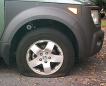
There are a few things you should service during hot summer months. Of course have your oil changed every 3000 miles, but every other oil change, rotate your tires. This will keep the tread wearing even and avoid tires on the front wearing quicker than the back. Check the tread by turning a penny with Lincoln head down and placing upright inside tread. The head should be covered to some degree. If you can see the entire head of Lincoln, it is time for new tires.
Belts and Hoses should be checked or changed during summer months. The last thing you want to do is get stuck on the side of the road with a broken belt. Not only will it be hard to change on the side of the road, but an inconvenience for someone to come pick you up. Who wants to be stuck on the side of the road in the winter? Or summer as far as that goes. Keep your belts and hoses from breaking or leaking.
Battery should be checked in the summer time. Winter is very hard on batteries as you need the cold cranking amps to just start your car. The battery will tell the life on top. When you buy a battery, they will mark it to where you can tell when it is time to change. I would recommend every 2-3 years probably, although most will last 4-6 years.
Alternator should be checked in the summer to make sure it will be strong enough to keep your battery charged. The Alternator is an integral part of your car. If the alternator goes out, it will drain your battery and will probably ruin your battery. The alternator keeps your battery charged when you are driving and when it goes out, your battery is no longer charged and is just a matter of time before it is gone. You will always know when the alternator goes out because your car and lighting will start acting crazy when you are driving. If you have had one go out, you know what I mean.
This is just a few things you can check, but you can always take your car to a mechanic to get a proper check on your car to make sure you do not get stranded. Most Mechanics know the things to look for that may cause you a problem.
Servicing Your Car-How to Save Money
To save money on your car, you definitely want to have it serviced. I believe that everyone needs to find a mechanic that they can trust, but a few tips to save you money. If you take your car to a dealership, remember that the service writer gets paid on commission like salesmen. They will try talking you into a more expensive fix than what you really need. For instance, if you take your car in for an oil change, they may tell you to do a 30,000 mile routine maintenance, which may cost $79.00. The #1 thing you can do for your car is have the oil changed regularly, every 3000 miles, but be cautious of more expensive maintenance.
This is not to say that a regular tune up or maintenance is not good for your car. You may want to have it done, but you dont have to over do it. One thing I will say, Rotate your tires every other oil change! I have seen tires last 70000 miles because of routine tire rotation. This makes the tire wear better and last longer. Many will do this every other oil change to help them stay on schedule.
Dealerships are not always the highest place to get your car serviced. Dealerships have well trained mechanics and you will be covered if something does go wrong. You can always dicker with your service writer as well. There prices are not set in stone. Give them a price that you will do it for and if they want your business bad enough, they will do it. If not, take it elsewhere!
This is not to say that a regular tune up or maintenance is not good for your car. You may want to have it done, but you dont have to over do it. One thing I will say, Rotate your tires every other oil change! I have seen tires last 70000 miles because of routine tire rotation. This makes the tire wear better and last longer. Many will do this every other oil change to help them stay on schedule.
Dealerships are not always the highest place to get your car serviced. Dealerships have well trained mechanics and you will be covered if something does go wrong. You can always dicker with your service writer as well. There prices are not set in stone. Give them a price that you will do it for and if they want your business bad enough, they will do it. If not, take it elsewhere!
Subscribe to:
Posts (Atom)